

✔ Backed by: Centers for Disease Control and Prevention (CDC) · The Joint Commission · Agency for Healthcare Research and Quality (AHRQ) · Medicare.gov (CMS). Each fact links to its source, and the full list is at the bottom of this post.
Imagine your sister is in the hospital after surgery. You are sitting by her bed when a nurse comes in with a new pill. Your sister looks at it and whispers to you, “That’s not what I usually take.” The nurse seems busy. Your sister doesn’t want to be “difficult.” You aren’t sure whether to say anything. What would you do? Moments like this are what patient safety is all about.
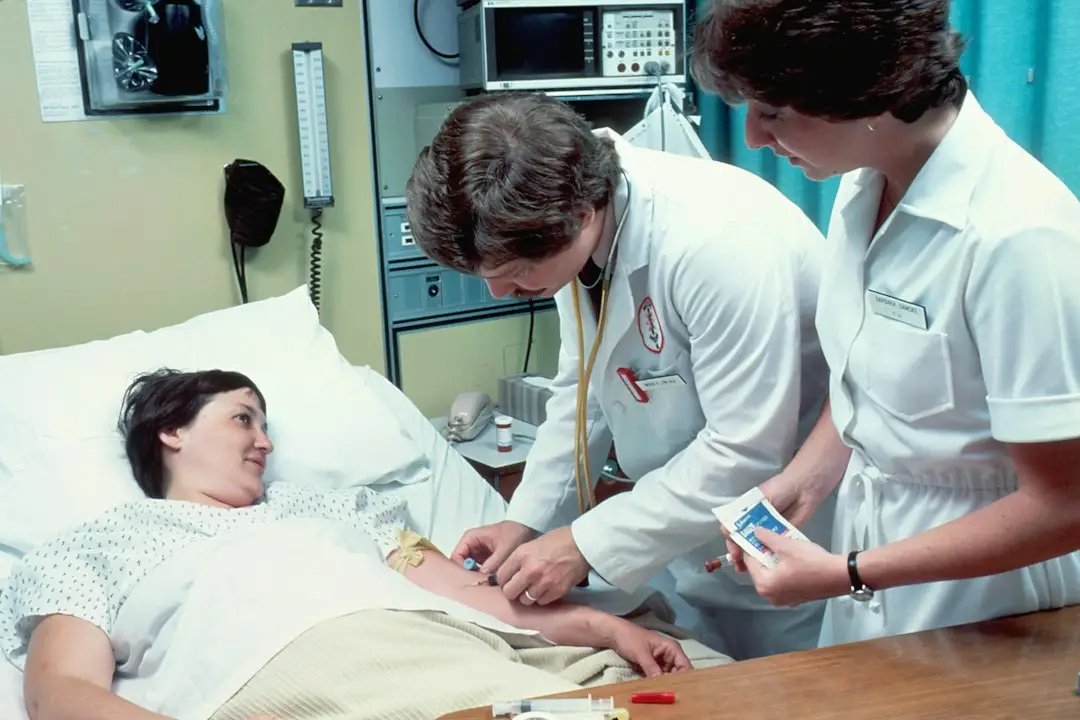
Moments like that happen every day. World Patient Safety Day is September 17, but speaking up matters at every visit. Most care goes well, but mistakes can happen. Patients and families can help prevent them by staying informed and speaking up [1]. So let’s talk about it, like two friends at the kitchen table.
“I don’t want to be a bother.” Why your voice matters
Many of us were raised to trust the doctor and not ask too many questions. We worry about seeming rude, or we feel rushed. Some people fear that speaking up will make staff upset with them. Those feelings are real.
But here is the truth: you are part of the care team. The Joint Commission’s Speak Up program exists to help patients and their advocates become active in their care [7]. A good question isn’t an insult. It’s a safety check. Have you ever held back a question because you didn’t want to bother anyone?
Back to that pill. Here is one calm way to handle it:
You: “Excuse me, before she takes that, could you tell us what it’s for? It looks different from her usual medicine.”
Nurse: “Sure, let me check.”
That’s it. Kind, clear, and focused on safety. Most nurses will be glad you asked.
Your medicine list is a patient safety tool
If you do just one thing, keep an up-to-date medicine list. Include prescriptions, over-the-counter medicines, vitamins, and supplements, with how you take them. Bring it to every visit and hospital stay. Medicine mix-ups are common when care changes, like at hospital discharge [3].
It also helps to tell the team about your recent care. Let your provider know about other medical problems you have, any recent stays at other hospitals or care facilities, and any care you got outside the U.S. in the last six months [1].
Ask until it makes sense
Health care is full of big words. If you don’t understand, ask them to explain it another way. Ask for an interpreter if you need one. That’s your right to ask, not a favor.
A few simple lines can open the door:
You: “What is this test or medicine for? What side effects should I watch for?”
Then: “What should happen next, and when?”
And: “Can you say that another way? I want to be sure I understand.”
AHRQ suggests more questions worth asking, like “When will I get the results?”, “How do you spell the name of that drug?”, “Will this medicine interact with medicines I already take?”, “Why do I need this treatment? Are there other options?”, and “What are the possible complications?” [4] Keep a notebook for questions and answers, and write down the names of the staff caring for you.
It’s also OK to ask staff to check your name and date of birth before giving medicines, drawing blood, or doing a procedure. That small step helps make sure the right care goes to the right person.
Clean hands, fewer infections
This one can feel awkward. But clean hands matter. Clean your own hands often. And ask staff and visitors to clean their hands before they touch you, your wounds, or your equipment [1].
You: “I’m sorry to ask, but did you get a chance to clean your hands?”
Also ask each day whether an IV line or urinary catheter is still needed, or can be removed [1].
Patient safety warning signs to speak up about right away
Tell the nurse or care team right away if you notice any of these:
- Redness, pain, or drainage at an IV site or surgery site. These can be signs of a skin infection [1].
- An infection that seems to be getting worse. It is OK to ask, “Could this be sepsis?” [1]
- Diarrhea three or more times in 24 hours, especially if you have been taking an antibiotic [1].
- Any side effects from a medicine, or anything that just does not feel right.
Some hospitals also let families call a rapid response team directly. Ask how it works where you are. If you are at home and have a medical emergency, call 911.
Bring your person
Having someone with you can make a big difference. A family member or friend can take notes, ask questions, and notice changes. Your support person can be a partner, a relative, a friend, or chosen family. Tell the care team who that person is.
If you are the support person, be there for key talks, like daily rounds and discharge teaching, if you can. Speak calmly and clearly. You are part of the team. What would make it easier for you to speak up for someone you love?
Ask about your hospital status
Here is something many people don’t know until the bill comes. If you have Medicare, being an inpatient or an outpatient (sometimes called “observation”) affects how much you pay. It may also affect whether Medicare covers a later stay in a skilled nursing facility [6]. Each day you stay, you or your caregiver should ask the hospital or your doctor about your status. You may get a Medicare Outpatient Observation Notice (MOON) that says you are an outpatient [6]. Other health plans have their own rules, so ask a social worker or your plan.
You: “Is my mom admitted as an inpatient, or is she under observation?”
Before you go home
Discharge day can feel rushed. Everyone is ready to leave. But this is when a lot of important details get missed. Ask for written instructions, a medicine list that shows what changed, and who to call with questions.
Medicare’s discharge planning checklist suggests you ask where you will get care after you leave. It also suggests asking what problems to watch for and what to do about them. And ask whether you will need medical equipment, like a walker, and if it is covered. Write down the names and phone numbers of people to call with questions. Bring your discharge information and medicine list to your follow-up visits [5].
Caregivers, this part is for you. Make sure you can give the person you care for the help they will need at home [5]. If you can’t, say so before discharge. It isn’t failing. It’s honest, and it helps the team plan.
You: “I work during the day, so I can’t be with him full time. What other help is available?”
Let’s talk
Now it’s your turn. We would love to hear from you in the comments below.
Have you ever spoken up during a hospital stay or doctor visit? What words worked?
What makes it hard to ask questions when you are a patient, and what has helped?
What is one thing you wish you had asked before going home from the hospital?
One Tru Step: Update your medicine list today and keep a copy in your wallet or phone.
Sources and further reading
- CDC: Tips for Being a Safe Patient
- The Joint Commission: Resources for Patients
- AHRQ PSNet: Medication Reconciliation
- AHRQ: The 10 Questions You Should Know
- Medicare.gov: Your Discharge Planning Checklist
- Medicare.gov: Inpatient or Outpatient Hospital Status Affects Your Costs
- The Joint Commission: Speak Up Fact Sheet
Sources checked October 10, 2026. General education; individual care and coverage questions require an appropriate professional.
Related Health Hubs
Join the conversation 💬
This is your space. Share a tip that helped you, ask the question you have been wondering about, or cheer on someone going through the same thing. Your comment shows up right away, and no account is needed.
Our house rules (they keep this a feel-good spot): Be kind. Stay on topic. Keep it free of religion, politics, and anything hurtful. Comments that break these rules are removed.
Protect your privacy: Use a first name or nickname, and skip full names, phone numbers, and personal health details.
If you or someone you know is in crisis, call or text 988. In an emergency, call 911.