

✔ Backed by: National Highway Traffic Safety Administration (NHTSA) · National Institutes of Health (NIH) · Children’s Hospital of Philadelphia. Each fact links to its source, and the full list is at the bottom of this post.
Picture this. It’s a busy Saturday morning. You’re loading the kids into the car, juggling snacks, a diaper bag, and a coffee that is already cold. You click the car seat buckle, give the strap a quick tug, and pull out of the driveway. Then a thought pops into your head: Is this seat really put in right? How would I even know? That question is where child passenger safety begins.
If you have ever wondered that, you are in good company. Child Passenger Safety Week is held each September, but car seat questions come up every day. Car crashes are a leading cause of death for children, and the right car seat used the right way greatly lowers the risk [1]. So let’s talk about it, like two friends at the kitchen table, with no judgment. Car seats are confusing, and nobody is born knowing this stuff.
“I’m pretty sure it’s fine.” Why a second look helps
Here is something that surprises a lot of parents. Nearly half of all car seats are installed incorrectly [3]. That doesn’t mean those parents didn’t care. It means car seats are tricky. Manuals are long, cars are all different, and kids keep growing.
So feeling unsure isn’t a sign you’re doing it wrong. It’s a sign you’re paying attention. Have you ever installed a seat and just hoped for the best?
The right seat for each stage
Think of car seats as a journey with a few stops. Babies start in a rear-facing seat. NHTSA advises keeping children rear-facing as long as possible, up to the top height or weight limit of their seat [3]. A lot of people think it’s time to turn the seat around on the first birthday. That’s a common myth. Check your seat’s limits instead.
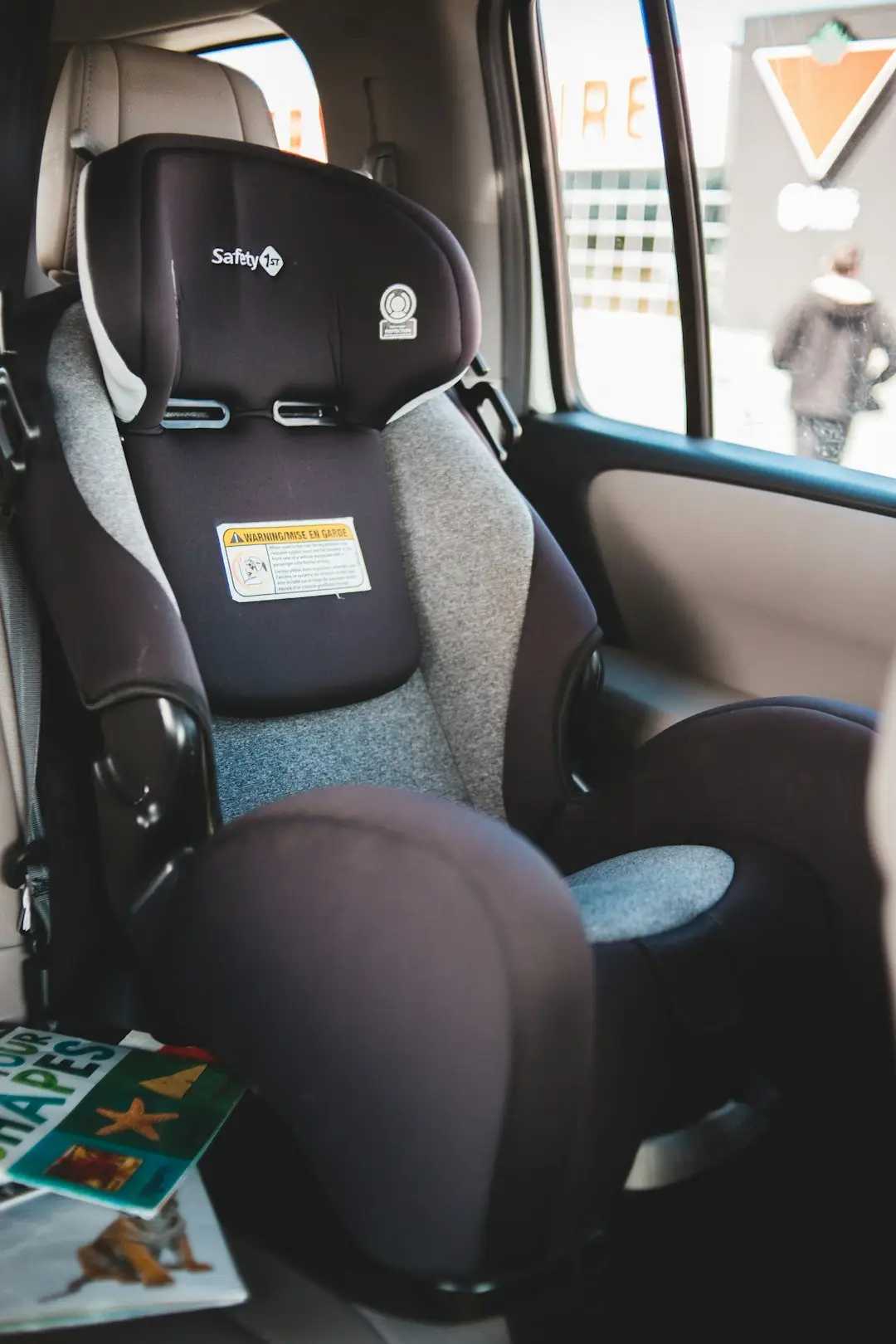
After your child outgrows rear-facing, they move to a forward-facing seat with a harness. After they outgrow the harness, they move to a booster seat. They stay in the booster until the seat belt fits properly, with the lap belt across the upper thighs and the shoulder belt across the chest [1]. And keep your child in the back seat at least through age 12 [1].
Kids often push back here. Imagine this:
Your 8-year-old: “Boosters are for babies! My friends don’t use one.”
You: “I get it. But the seat belt is made for grown-up bodies. The booster helps the belt fit you right, so it can protect you. When the belt fits without it, you’ll graduate. Deal?”
Turning it into a “graduation” can take the sting out. What has worked for your kids when they didn’t want to stay in a seat?
Child passenger safety checks you can do yourself
Start by reading both the car seat manual and your vehicle manual. Then try a few simple checks. Grip the seat at or near the belt path. It should move less than 1 inch [7]. Next, check the harness. If you can pinch extra strap at your child’s shoulder, it’s too loose. And the chest clip should be at armpit level [7].
In cold weather, puffy coats can make a harness seem tighter than it really is. Ask a car seat technician how to keep your child warm and safely buckled. And one more tip: babies should not sleep in car seats outside the car. Move them to a firm, flat crib [2].
Get a free check
Want peace of mind? NHTSA’s website lets you find a certified child passenger safety technician near you. Checks are usually free, and some places offer virtual checks [1]. The technician will look at your seat and how it is installed. Bring your child if you can, plus the car seat manual and your vehicle manual.
Some parents worry the technician will judge them. They won’t. Helping people is their whole job. A few questions can help you get the most out of the visit:
You: “Is this the right seat for my child’s age and size?”
Then: “Is it installed tightly enough? Can you show me how to install it myself?”
And: “When will my child be ready for the next stage?”
Also, register your seat with its maker so you get recall and safety notices [1]. It only takes a few minutes.
Talking with grandparents and other drivers
Anyone who drives with a child should know how the seat works. That includes grandparents, foster and adoptive parents, babysitters, and family friends. Make sure every passenger is buckled on every trip, too [3].
This talk can feel touchy, especially with older relatives who raised kids long before today’s seats.
You: “Mom, thanks so much for picking up the kids Friday. Could I show you how the new seat works? It’s different from what we had.”
Grandma: “I raised three kids without all that fuss, and you turned out fine.”
You: “You did an amazing job. The seats have just changed a lot. It would make me feel so much better. Five minutes?”
Leading with thanks and respect makes it easier for everyone. How do you handle safety talks with the other drivers in your child’s life?
Used seats and seats after a crash
Money is tight for a lot of families, and a hand-me-down seat can seem like a gift. NHTSA says a used seat may be OK only if you can check off every item: it has never been in a moderate or severe crash, it has labels showing the date it was made and the model number, it has no recalls, it has all its parts, and it has its instruction book [4]. If you are not sure about a seat’s history, it is safer not to use it.
NHTSA also recommends replacing car seats after a moderate or severe crash. A crash counts as minor only if all of these are true [5]:
- The car could be driven away from the crash.
- The door nearest the car seat was not damaged.
- No one in the car was hurt.
- The airbags did not go off.
- The car seat has no damage you can see.
If buying a seat is hard for your family, there is no shame in asking for help. Ask your child’s doctor, your local health department, or the technician at your check about low-cost seat programs in your area. Programs and rules vary by place.
Hot cars: never leave a child alone
Many of us think, “I’d never forget my child.” But busy days and changes in routine happen to loving, careful parents. Never leave a child alone in a car, even if you think you will only be gone for a minute. Rolling down a window does little to keep the car cool [6].
Check the back seat every time you leave the car. Putting your bag or a teddy bear in the back can help you remember. Lock your car when it is not in use, so children cannot climb in. And if you see a child alone in a hot car, call 911 right away [6].
Let’s talk
Now it’s your turn. We would love to hear from you in the comments below.
What’s one car seat tip you wish someone had told you sooner?
How do you get grandparents or babysitters on board with car seat rules?
What tricks help your family remember to check the back seat?
One Tru Step: Look up a free car seat check near you on NHTSA.gov and book it this month.
Sources and further reading
- NHTSA: Car Seats and Booster Seats
- NICHD Safe to Sleep
- NHTSA: Keep Kids Safe on the Road
- NHTSA: Used Car Seat Safety Checklist
- NHTSA: Car Seat Use After a Crash
- NHTSA: Help Prevent Child Heatstroke and “Stop. Look. Lock.”
- Children’s Hospital of Philadelphia: Avoiding Common Car Seat Installation Mistakes
Sources checked October 10, 2026. General education; individual care and coverage questions require an appropriate professional.
Related Health Hubs
Join the conversation 💬
This is your space. Share a tip that helped you, ask the question you have been wondering about, or cheer on someone going through the same thing. Your comment shows up right away, and no account is needed.
Our house rules (they keep this a feel-good spot): Be kind. Stay on topic. Keep it free of religion, politics, and anything hurtful. Comments that break these rules are removed.
Protect your privacy: Use a first name or nickname, and skip full names, phone numbers, and personal health details.
If you or someone you know is in crisis, call or text 988. In an emergency, call 911.