

✔ Backed by: World Stroke Organization · Centers for Disease Control and Prevention (CDC) · National Institute of Neurological Disorders and Stroke (NINDS) · Medicare.gov. Each fact links to its source, and the full list is at the bottom of this post.
Emergency first: Stroke rehab comes later. If you or someone near you has sudden face drooping, arm weakness, trouble speaking, trouble seeing, loss of balance, or a sudden severe headache, call 911 right away.[2]
World Stroke Day is October 29.[1] Most of the attention that day goes to spotting a stroke fast, and that matters a lot. But there is a second part of the story that gets less airtime. It’s what happens after the ambulance and the hospital, when a family starts the long work of getting life back.
That part is called stroke rehab, short for rehabilitation. It is not one thing. It is a plan that can include different places, different therapists, and many months of steady effort. This post walks through how stroke rehab usually works and the choices families face at hospital discharge. It also covers the questions that can help you get the right fit.
Recovery is different for everyone
The CDC puts it plainly: recovery time after a stroke can take weeks, months, or even years. Some people recover fully. Others live with changes that last, such as weakness on one side, trouble with speech, or trouble swallowing.[3]
That range can feel scary. It can also be freeing. It means there is no single “right” pace. Your neighbor’s dad may have walked out of the hospital in a week. Your mom may need a walker and speech therapy for months. Both stories are normal. Comparing timelines usually adds stress without adding anything useful.
Here is the hopeful part. The National Institute of Neurological Disorders and Stroke (NINDS) explains that the brain can rewire itself and that function can keep improving over months to years. In one study it describes, people kept getting better up to a year after their stroke.[4] Progress may slow down, but slow is not the same as stopped.
Stroke rehab usually starts in the hospital
Many families are surprised by how soon stroke rehab begins. According to the CDC, rehab often starts in the hospital within a day or two after the stroke.[3] NINDS says it usually begins once the person is medically stable, often within 48 hours.[4]
Three kinds of therapists often join the team:
- Physical therapists work on movement, balance, and walking.
- Occupational therapists help with daily tasks such as dressing, grooming, and cooking.
- Speech-language therapists help with talking, understanding words, and swallowing safely.
NINDS notes that at least one in four stroke survivors has some trouble with language.[4] If your loved one is struggling to find words, they are not alone, and speech therapy is built for exactly this.
Where stroke rehab can happen after the hospital
Before discharge, the care team will talk about the next step. This is one of the biggest decisions in the whole journey, and it often happens fast. Knowing the main options ahead of time helps you ask better questions. NINDS describes several settings:[4]
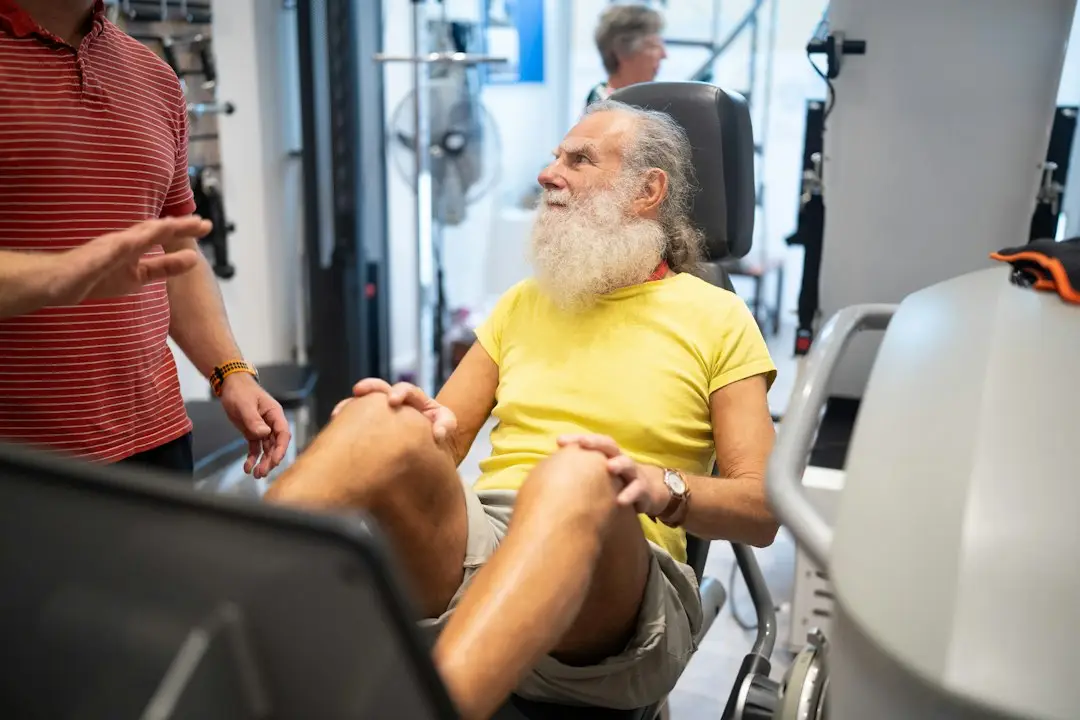
Inpatient rehab units are the most intense. Stays often last about two to three weeks, with at least three hours of active therapy a day, five or six days a week, and a doctor overseeing care. Skilled nursing facilities also offer rehab, usually with fewer therapy hours and fewer doctor visits. Outpatient programs let people sleep at home and come in for therapy, often a few days a week. Home-based therapy brings the therapist to you, which lets a person practice in the real space where they live, though some special equipment may not be available.
If your family is on Medicare, it helps to know that Medicare Part A covers medically necessary care in an inpatient rehabilitation facility when a health care provider certifies that the person needs intensive rehab.[5] Costs depend on the plan, other insurance, and the length of the stay, so ask the hospital case manager or the plan directly what applies to you.
You can say: “Which rehab setting do you recommend for my dad, and why? What would make him a good fit for inpatient rehab instead of a nursing facility?”
Questions to ask before discharge
The hospital social worker or case manager is your best friend in these days. NINDS notes that families often work with the hospital social worker to find a suitable place before discharge.[4] Bring a notebook, or ask someone to take notes for you. Here are questions worth asking:
- How many hours of therapy a day will they get, and which kinds?
- Who is in charge of their care, and how do we reach that person?
- Has the plan confirmed coverage? Is any prior approval needed?
- What equipment will be needed at home later, like a shower chair or walker?
- What follow-up visits are already scheduled, and with whom?
Write the answers down in one place. A simple folder or binder that holds the discharge papers, medicine list, and therapy schedule can save a lot of stress later.
Watch for the “invisible” changes too
Not every stroke change is easy to see. NINDS describes problems with memory, attention, and planning. It also notes that depression is common after stroke and can be treated with medicine and counseling. Some people also develop pain, often from stiff joints that do not move much.[4]
Picture this: Rosa’s husband is walking again, and everyone is thrilled. But he sits quietly most of the day, snaps over small things, and does not want to see friends. Rosa thinks he is just tired. In fact, mood changes like this are worth raising with the care team. Emotional health is part of stroke recovery, not a side issue.
You can say: “His mood has changed a lot since the stroke. Can we talk about depression and what support is available?” If anyone is having thoughts of suicide or is in crisis, call or text 988 any time.
Lowering the risk of another stroke
The CDC says people who have had a stroke are at high risk for another one, and about 1 in 4 survivors has another stroke within five years. The CDC also stresses treating the causes behind stroke, such as high blood pressure, heart disease, atrial fibrillation, high cholesterol, and diabetes, and taking medicines as directed by the care team.[3]
This is where everyday habits and follow-up visits really count. Keep a current medicine list. Bring it to every visit. If cost or side effects make it hard to take a medicine, tell the prescriber or pharmacist before making any change on your own. SynquUp’s Medication Copay Finder can help you look for savings programs to ask about.
Caregivers need a plan, too
NINDS calls supportive family and social networks a very important factor in recovery.[4] That support works best when caregivers are not running on empty. Ask therapists to show you how to help safely with moving, bathing, and exercises. Ask what you can do and what you should leave to the professionals.
Tru-Tips: Make a “recovery wins” list on the fridge. Write down small gains, like buttoning a shirt or saying a full sentence. On hard weeks, that list is proof that the work is paying off.
One Tru Step: Before World Stroke Day on October 29, save the B.E. F.A.S.T. signs in your phone and share them with one person you love. If you are caring for a stroke survivor, write down three questions for the next therapy or doctor visit today.
Let’s talk
If you or someone you love has been through stroke rehab, what helped most during the first few months? What do you wish someone had told you at discharge?
Sources and further reading
- World Stroke Organization: World Stroke Day Campaign
- CDC: Signs and Symptoms of Stroke
- CDC: Stroke Treatment and Recovery
- NINDS: Post-Stroke Rehabilitation (fact sheet)
- Medicare.gov: Inpatient Rehabilitation Care
Sources checked October 16, 2026. General education; individual care and coverage questions require an appropriate professional.
Related Health Hubs
- Stroke and TIA Recovery
- Post-Discharge Recovery
- DME, Home Safety and Rehabilitation
- Caregiver Support
Join the conversation 💬
This is your space. Share a tip that helped you, ask the question you have been wondering about, or cheer on someone going through the same thing. Your comment shows up right away, and no account is needed.
Our house rules (they keep this a feel-good spot): Be kind. Stay on topic. Keep it free of religion, politics, and anything hurtful. Comments that break these rules are removed.
Protect your privacy: Use a first name or nickname, and skip full names, phone numbers, and personal health details.
If you or someone you know is in crisis, call or text 988. In an emergency, call 911.