

✔ Backed by: Global Handwashing Partnership · Centers for Disease Control and Prevention (CDC) · Office of Disease Prevention and Health Promotion (ODPHP). Each fact links to its source, and the full list is at the bottom of this post.
October 15 is Global Handwashing Day. It is a yearly reminder that washing hands with soap is a low-cost, effective way to fight illness [1]. It may sound almost too simple to write about. But simple habits are often the ones we skip when we are busy, tired, or caring for someone else. Clean hands are worth the effort.
Many illnesses spread when hands are not washed with soap and clean, running water [2]. Clean hands matter at home, at work, and especially when you or a loved one is getting medical care. This guide covers when to wash, how to do it well, when hand sanitizer is a good backup, and how to speak up kindly about clean hands at the doctor’s office or hospital.
How germs get around
Germs do not need much help to spread. The CDC explains that germs can move from person to person, or from surfaces to people, when you touch your eyes, nose, or mouth with unwashed hands. They also spread when you make or eat food with unwashed hands, touch surfaces that have germs on them, or cough or sneeze into your hands and then touch other people or shared objects [2].
Handwashing helps stop the spread of both breathing illnesses, like colds, and stomach illnesses that cause diarrhea [2]. For example, imagine you open a door at the grocery store, then rub your eye while waiting in line. Germs from that handle can get a free ride. Washing your hands before you eat or touch your face breaks that chain.
Know the key times to keep clean hands
You do not need to wash every few minutes. The CDC points to certain moments that matter most [2]. In the kitchen, wash before, during, and after making food, and before and after eating. In the bathroom, wash after using the toilet and after changing diapers or helping a child use the toilet. When you are sick or around illness, wash after blowing your nose, coughing, or sneezing, and before and after caring for someone at home who is vomiting or has diarrhea. Wash before and after treating a cut or wound. And around pets and the home, wash after touching animals, animal waste, pet food, or garbage [2].
If you are a caregiver, a few of these moments probably happen many times a day. Building handwashing into those moments, like right after helping a loved one in the bathroom or before handling their medicines, helps protect both of you.
Use the five simple steps
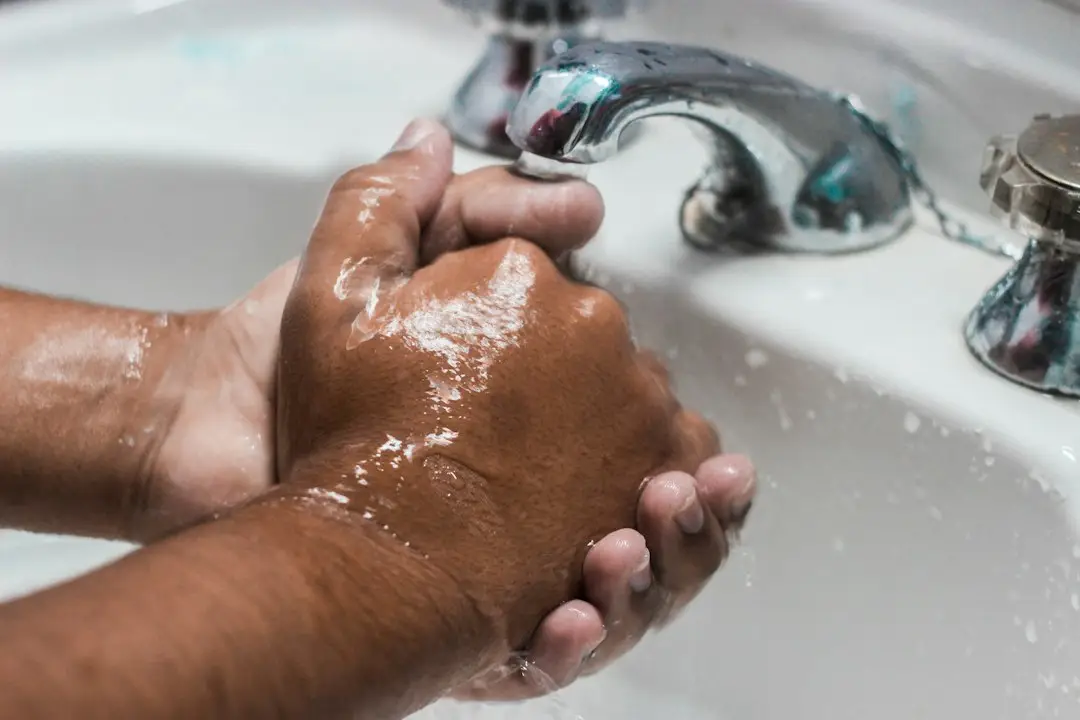
The CDC’s steps are easy to remember [2]:
- Wet your hands with clean, running water, warm or cold. Turn off the tap and add soap.
- Lather the backs of your hands, between your fingers, and under your nails.
- Scrub for at least 20 seconds.
- Rinse well under clean, running water.
- Dry with a clean towel or air dryer.
Twenty seconds is longer than most people think. The CDC suggests humming a song twice as a timer [2]. Kids often enjoy picking their own handwashing song, which can turn a chore into a game.
Tru-Tips: Thumbs, fingertips, and the backs of hands are easy to rush past. Next time you wash, give each of those a few extra seconds of scrubbing.
Know when hand sanitizer is a good backup
Soap and water is the best choice in most cases. When soap and water are not handy, use a hand sanitizer with at least 60% alcohol. Check the label to be sure [2]. Put the amount the label suggests in one palm. Cover all parts of both hands, and rub until dry, about 20 seconds. Do not wipe it off or rinse it before it dries [3].
Sanitizer does have limits. It may not work as well when hands look dirty or greasy, such as after gardening or playing outside. It may not remove harmful chemicals like pesticides or lead. And soap and water work better against some germs, including norovirus, Cryptosporidium, and C. difficile [3]. In those cases, wash with soap and water when you can. Also keep an eye on young children when they use sanitizer, so they do not swallow it [3].
It is okay to ask your care team for clean hands
Clean hands in health care help protect patients from germs, including germs that are hard to treat with antibiotics [4]. The CDC asks health care workers to clean their hands right before touching a patient and right after taking off gloves. It also notes that gloves are not a substitute for clean hands [4].
Most care teams work hard at this. Still, it can feel awkward to ask. Remember that asking is a normal, fair request [5]. You, a family member, or a support person can kindly ask a doctor, nurse, or other staff member to clean their hands before they touch you. You can say: “Would you mind washing your hands in front of me before you begin the exam?” [5]
You can also ask: “Is there hand sanitizer in this room I can use, too?” or “Should my visitors clean their hands when they come in and leave?” A friendly tone goes a long way, and most staff will thank you for helping keep everyone safe. Keeping your own hands clean is part of the team effort too [5].
Let’s talk about it
Have you ever asked a care provider to clean their hands? How did it go, and what words felt comfortable for you? If you have a trick for getting kids to wash for the full 20 seconds, we would love to hear it.
One Tru Step: Put a small bottle of hand sanitizer with at least 60% alcohol in your bag or car today, so you have a backup for your next appointment or hospital visit.
Sources and further reading
- Global Handwashing Partnership — Global Handwashing Day
- CDC — About Handwashing
- CDC — About Hand Sanitizer
- CDC — Clinical Safety: Hand Hygiene for Healthcare Workers
- Office of Disease Prevention and Health Promotion — Empowering Patients to Speak Up for Clean Hands
Sources checked October 15, 2026. General education; individual care and coverage questions require an appropriate professional.
Related Health Hubs
Join the conversation 💬
This is your space. Share a tip that helped you, ask the question you have been wondering about, or cheer on someone going through the same thing. Your comment shows up right away, and no account is needed.
Our house rules (they keep this a feel-good spot): Be kind. Stay on topic. Keep it free of religion, politics, and anything hurtful. Comments that break these rules are removed.
Protect your privacy: Use a first name or nickname, and skip full names, phone numbers, and personal health details.
If you or someone you know is in crisis, call or text 988. In an emergency, call 911.