

✔ Backed by: National Institutes of Health (NIH) · Centers for Disease Control and Prevention (CDC) · Health Resources and Services Administration (HRSA) · Medicare.gov · American Dental Association (MouthHealthy). Each fact links to its source, and the full list is at the bottom of this post.
Imagine this. You are brushing your teeth before bed, and you spit out a little pink. You think, “Huh. My gums bleed sometimes. That’s normal, right?” Then you rinse, turn off the light, and forget about it until next time. That small moment is a good place to start talking about dental hygiene.
If that sounds familiar, you are in good company. October is National Dental Hygiene Month, a good time to talk about the mouth we use all day and rarely think about. A healthy mouth helps you eat, speak, and smile with confidence. It also connects to the rest of your health. For example, diabetes makes gum disease more likely [3]. So let’s talk about it, like friends at the kitchen table.
“Bleeding gums are normal.” Are they?
This is one of the most common things people tell themselves. But gums that bleed, are red, or are swollen are a sign to see a dentist [1]. So are bad breath that does not go away, loose teeth or a change in your bite, tooth pain or sensitivity, and a sore in your mouth that does not heal in two weeks [1].
Many of us put off the dentist for real reasons. Maybe it’s fear of the drill. Maybe it’s embarrassment about how long it has been. Maybe it’s money. All of those feelings are human. But a dental team has seen it all, and they would much rather see you now than later. Have you ever avoided a dental visit because you felt embarrassed?
Everyday dental hygiene basics, without the guilt
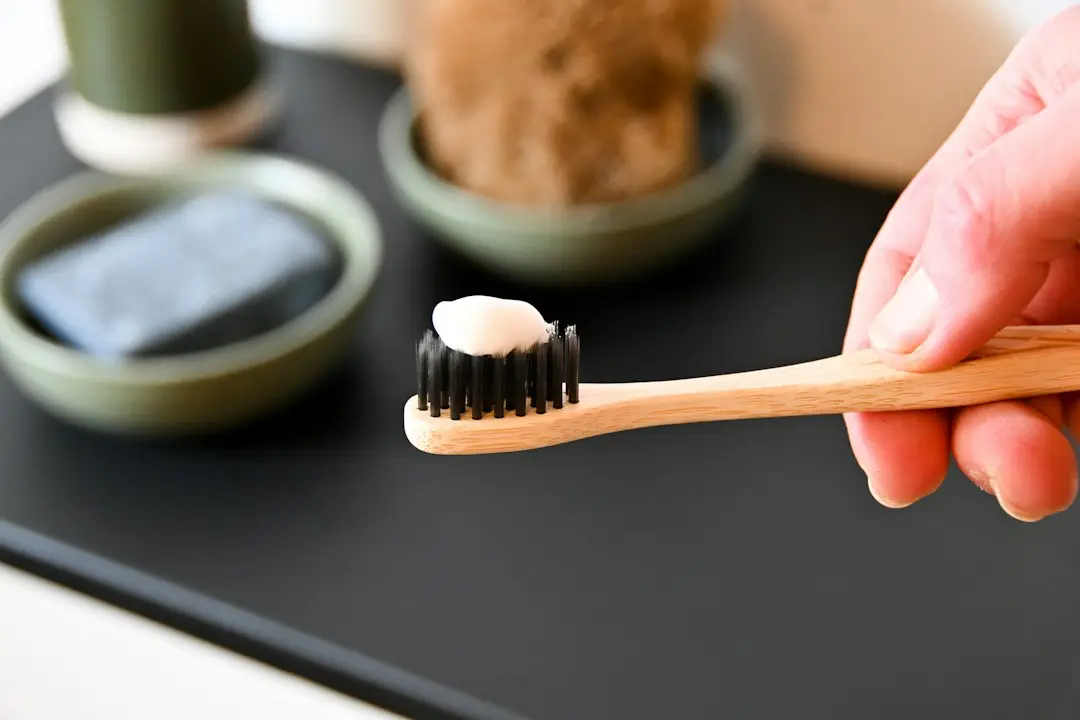
You do not need a perfect routine. You need a steady one. Brush twice a day for 2 minutes with fluoride toothpaste. Clean between your teeth once a day with floss or another cleaner. Limit sugary drinks and snacks. Don’t smoke or vape. And replace your toothbrush every 3 to 4 months [1] [2].
If flossing feels like a chore you always skip, try tying it to something you already do, like the evening news or your bedtime podcast. Which of these habits is hardest for you to keep?
Who should pay extra attention
Some of us need to be a little more careful. Mouth problems increase with age because of changes in saliva, gums that pull back, and trouble brushing or flossing [2]. For people with diabetes, managing diabetes helps lower the risk of gum disease [2] [3]. For people who smoke, the more you smoke or are around smoke, the higher your risk of mouth cancer [2]. And if you are pregnant, gum disease and cavities can affect your baby’s health, so visit the dentist at least once before you deliver [2].
Many medicines can leave your mouth dry, and a dry mouth can make cavities more likely. Sipping water, chewing sugar-free gum, and asking your dentist about extra fluoride may help. Tell your doctor or pharmacist if a medicine makes your mouth dry. They may have ideas that help [2]. Please do not stop any medicine on your own.
“I have dentures. Why would I need a dentist?”
This one comes up a lot, especially with older parents. But you should plan to see a dentist at least once a year, even if you wear dentures or have lost some or all of your teeth [2]. At a checkup, the dental team will usually look at your teeth, gums, and mouth, clean your teeth, and talk with you about what they see.
Imagine a talk like this:
You: “Mom, when did you last see the dentist?”
Your mom: “Oh, I don’t need to. I have my dentures.”
You: “I thought so too. But the advice is still a yearly visit, even with dentures. They check your whole mouth. Want me to make the call and come with you?”
Notice it starts with a question, not a lecture, and it offers help. That makes “yes” a lot easier.
What to say in the dental chair
Once you are in the chair with your mouth open, it is hard to ask anything! So ask before they start, or at the end.
You: “Do I have any signs of gum disease?”
Then: “Did you check my mouth for sores or signs of cancer?”
And: “Could any of my medicines be causing dry mouth? Would extra fluoride help me?”
If cost is on your mind, say so. It is a normal question: “What does this treatment cost, and is there a lower-cost option or payment plan?”
When cost is the worry
Many people are surprised to learn this. In most cases, Original Medicare does not cover routine cleanings, fillings, tooth removal, dentures, or implants. You pay the full cost for care that is not covered. Original Medicare may cover dental care in a few special cases, such as care needed before a heart valve replacement, during dialysis for kidney failure, or for problems caused by head and neck cancer treatment [5]. Some Medicare Advantage plans may cover certain dental services [8]. If you have one, check your plan papers or call the plan.
If you have Medicaid, dental coverage can differ by state, so it is worth calling to ask what is included. Many community health centers offer dental care on a sliding fee scale [4]. When you call, you can simply say: “I don’t have dental insurance. Do you offer a sliding fee?”
When it’s an emergency
Mouth injuries can be scary, and it’s easy to freeze. Here is what to do.
- Knocked-out adult tooth: Keep the tooth moist. If you can, gently put it back in the socket without touching the root. If not, keep it in milk or between your cheek and gum, and get to a dentist right away [6].
- Possible broken jaw: Use a cold compress for swelling and go to a dentist or hospital emergency room right away [6].
- Heavy bleeding from a bitten tongue or lip that will not stop: see a dentist or go to the emergency room.
- After hours: If your dental office is closed, go to your local emergency room [6].
Call 911 if face or mouth swelling makes it hard to breathe or swallow.
Dental hygiene help when you care for someone else
Caring for someone’s teeth can feel awkward for both of you. It is personal, and the person may feel a loss of independence. Going slowly and kindly helps. A few steps can make it easier [7]. Pick a well-lit spot with room to work, and keep supplies close. Have the person sit up, in a chair or in bed. Use a soft brush with a small head and a small amount of fluoride toothpaste. Angle the bristles toward the gumline and brush gently in small circles, and brush the tongue too.
Try “tell, show, do”: explain the step, show it, then do it. Keep the same time and place each day. For dentures, take them out gently, brush them, and store them in water when they are not being worn. Change the water every day [7]. What has helped you make this routine feel more respectful and less like a chore?
Let’s talk
Now it’s your turn. We would love to hear from you in the comments below.
What finally got you back to the dentist after a long break?
If you have helped a parent or partner with their dental care, what words or tricks worked?
Where have you found affordable dental care in your area? Share a tip that could help someone else.
One Tru Step: Check when your last dental visit was, and if it has been more than a year, call to book one.
Sources and further reading
- NIDCR: Oral Hygiene
- CDC: Oral Health Tips for Adults
- NIDDK: Diabetes, Gum Disease, and Other Dental Problems
- HRSA: Find a Health Center
- Medicare.gov: Dental Services
- American Dental Association (MouthHealthy): Dental Emergencies
- NIDCR: Oral Health and Older Adults: Brushing Tips for Caregivers (PDF)
- Medicare.gov: What’s Not Covered?
Sources checked October 10, 2026. General education; individual care and coverage questions require an appropriate professional.
Related Health Hubs
Join the conversation 💬
This is your space. Share a tip that helped you, ask the question you have been wondering about, or cheer on someone going through the same thing. Your comment shows up right away, and no account is needed.
Our house rules (they keep this a feel-good spot): Be kind. Stay on topic. Keep it free of religion, politics, and anything hurtful. Comments that break these rules are removed.
Protect your privacy: Use a first name or nickname, and skip full names, phone numbers, and personal health details.
If you or someone you know is in crisis, call or text 988. In an emergency, call 911.