

✔ Backed by: United Way 211 · Feeding America · U.S. Department of Agriculture (USDA) · Meals on Wheels America · Administration for Community Living (ACL) · Centers for Disease Control and Prevention (CDC). Each fact links to its source, and the full list is at the bottom of this post.
Money gets tight for lots of reasons. A job changes. A hospital stay eats up savings. A new medicine costs more than expected. Rent goes up. Suddenly the grocery budget is the only place left to cut. The good news is that you can find help near you, often faster than you’d expect.
If you are there right now, please know two things. First, you are not alone, and there is no shame in asking for food help. Second, help is often closer than you think. This guide walks you through where to start, what each option is for, and what to say when you call.
Find help near you with one call or text: 211
If you only remember one number from this post, make it 211. It is a free, confidential service, available 24 hours a day, that connects people with help in their own community.[1] United Way says 211 covers 99% of the United States and offers support in more than 180 languages.[1]
You can dial 2-1-1, reach out by text or email, or search at 211.org.[1] And 211 is not just about food. It can also point you to help with housing, utilities, health care, jobs, and child care, plus resources for family caregivers.[1] That matters, because when food is short, other bills are often stacking up too.
You can say: “I’m running low on food this week. What food pantries or meal programs are open near me, and what do I need to bring?”
Food banks and pantries: find help near you this week
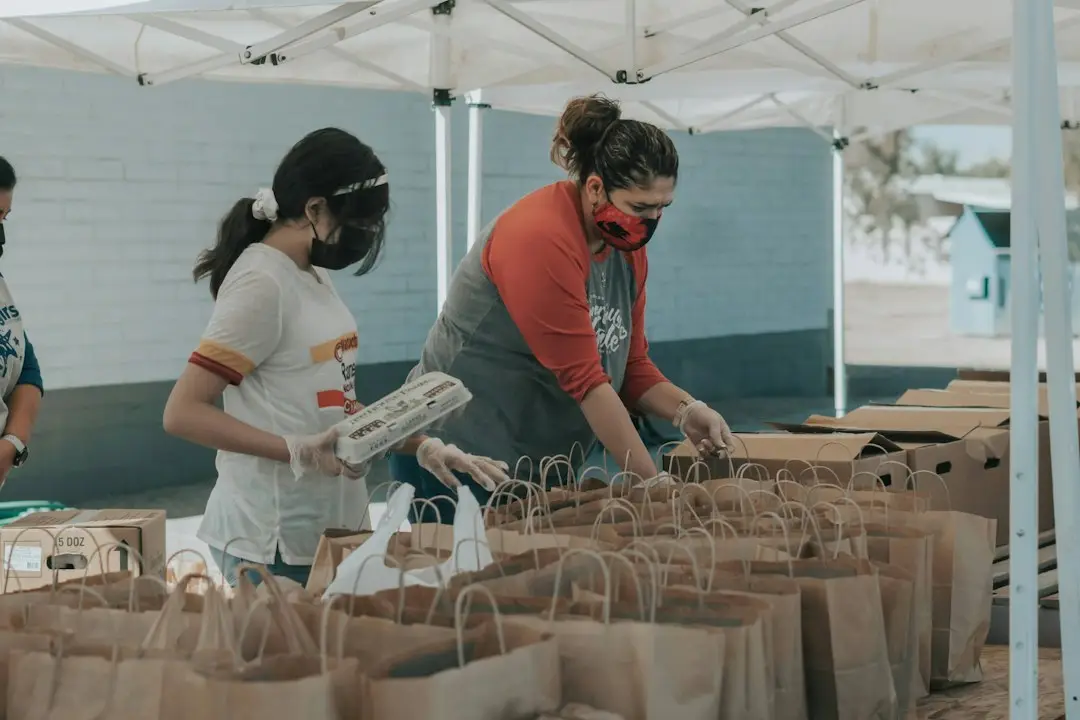
People often use these words the same way, but they are a little different. Feeding America explains that a food bank is a warehouse that collects and stores donated food. A food pantry is the place where people pick up free food directly, and it gets its food from a food bank.[2]
Feeding America has a network of more than 200 member food banks. You can enter your ZIP code on its website to find the food bank that serves your area.[2] Your local food bank can then point you to pantries and meal sites near your home.
Pantries have different hours and rules. Some ask for proof of address. Some let you choose your own items. Some deliver or have evening hours. It is fine to call ahead and ask.
You can say: “This is my first time. What are your hours, do I need to bring anything, and do you have any options for someone on a low-salt or diabetes-friendly diet?”
Think about Denise, who works two part-time jobs. She found a pantry through 211 that opens on Thursday evenings, after her shift. She was nervous the first time. The volunteer at the door just smiled and handed her a cart.
SNAP: help buying groceries month to month
Pantries can help you get through a hard week. For steadier help, many households look into SNAP, the Supplemental Nutrition Assistance Program. SNAP helps eligible people buy groceries.
You apply through your state, not the federal government. USDA says that to apply for benefits or get information about SNAP, you must contact your local SNAP office. Each state has its own application form, and USDA’s state directory shows where to apply in your state.[3]
Rules about who qualifies, what paperwork you need, and how long decisions take can vary by state and can change. So go straight to your state’s office or website for the current rules, and do not count yourself out before you ask. 211 can also help you find your local SNAP office.
You can say: “I’d like to apply for SNAP. Can you tell me what documents I should gather and whether I can apply online or by phone?”
WIC: for pregnancy, new parents, and young children
If you are pregnant, recently had a baby, are breastfeeding, or are raising a child under 5, WIC may be able to help. USDA says WIC serves pregnant women, women up to six months after a pregnancy ends, breastfeeding women until the baby’s first birthday, infants, and children up to their fifth birthday.[4]
Income matters too. USDA notes that if you or the children in your care already get Medicaid, SNAP, or TANF, you may already meet WIC’s income rules.[4] You apply through a local WIC agency, and USDA’s WIC Eligibility Tool can help you find one. Part of signing up is a free health check with WIC staff.[4]
If you are a dad, grandparent, foster parent, or other guardian raising a young child, ask your local WIC office whether the child may qualify. USDA’s eligibility rules refer to children “in your care,” so it is worth asking.
Meals for older adults and people who have trouble getting out
For older adults, shopping and cooking can get harder after an illness, a fall, or a hospital stay. Meals on Wheels America says its local providers serve adults 60 and older whose mobility makes it hard to shop, cook, or socialize. Age rules and eligibility vary by area.[5]
Most providers ask you to fill out an application, and some do a short assessment of your needs or ask for a referral from a doctor or social worker. Meals may be free, have a suggested donation, or use a sliding scale based on your location, income, and need.[5]
Your local Area Agency on Aging can also tell you about senior meal programs, including group meals at community centers. The Eldercare Locator connects you: call or text 1-800-677-1116 or search at eldercare.acl.gov.[6]
Think about Mr. Thomas, who came home from the hospital after pneumonia and could not stand long enough to cook. His neighbor called the Eldercare Locator for him. Within a couple of weeks, a volunteer was dropping off a hot lunch, and a friendly face, on weekdays.
Tell your care team if food is tight
Food and health are closely tied. Some medicines need to be taken with meals, and CDC reminds adults to take medicines at the right times, especially those that go with meals or at bedtime.[7] If you are skipping meals, that can make a medicine plan harder to follow.
It can feel awkward to bring up, but your clinician, nurse, pharmacist, or a clinic social worker may know about local programs you have never heard of. They can also help you plan around the foods you can get.
You can say: “Money for food has been tight lately, and I’ve been skipping meals. Does that change anything about how I take my medicines, and do you know of any food programs that could help?”
Tru-Tips: When you call any food program, keep a notebook by the phone. Write the date, the name of the program, the person you spoke with, and what they told you to bring. If you need to call back, you will not have to start from scratch.
One Tru Step: Today, dial 2-1-1 or visit 211.org and ask for the two closest food pantries to your home, plus their hours. Save the numbers in your phone, even if you do not need them this week.
Let’s talk
Have you found a food pantry, meal program, or tip that made a real difference for you or someone you know? What do you wish someone had told you before your first visit? Share it in the comments so a neighbor can benefit too.
Sources and further reading
- United Way: 211 – Connecting People to Local Resources
- Feeding America: Find Your Local Food Bank
- USDA: SNAP State Directory of Resources
- USDA: WIC Eligibility
- Meals on Wheels America: Find Meals and Services Near You
- Eldercare Locator (ACL)
- CDC: Medication Safety and Your Health
Sources checked October 18, 2026. General education; individual care and coverage questions require an appropriate professional.
Related Health Hubs
- Food, Housing and Daily Help
- Healthcare Costs and Financial Assistance
- Aging Alone
- Post-Discharge Recovery
Join the conversation 💬
This is your space. Share a tip that helped you, ask the question you have been wondering about, or cheer on someone going through the same thing. Your comment shows up right away, and no account is needed.
Our house rules (they keep this a feel-good spot): Be kind. Stay on topic. Keep it free of religion, politics, and anything hurtful. Comments that break these rules are removed.
Protect your privacy: Use a first name or nickname, and skip full names, phone numbers, and personal health details.
If you or someone you know is in crisis, call or text 988. In an emergency, call 911.