

✔ Backed by: U.S. Food and Drug Administration (FDA) · Substance Abuse and Mental Health Services Administration (SAMHSA) · Centers for Disease Control and Prevention (CDC). Each fact links to its source, and the full list is at the bottom of this post.
Picture this. You are at a family gathering. Your cousin, who just had back surgery, went to lie down in the guest room. When you check on him, he will not wake up, and his breathing sounds strange, like heavy snoring. Your heart pounds. What do I do? Is this an overdose? Will I make it worse? Do we have naloxone?
Nobody wants to imagine that moment. But thinking it through now, while things are calm, is one of the most loving things you can do. Overdose deaths can be prevented, and one of the best tools is naloxone, a medicine that can reverse an opioid overdose [1]. So let’s talk about it, like two friends at the kitchen table.
Know the signs
An overdose does not always look dramatic. Sometimes it just looks like someone is in a very deep sleep. Watch for these signs [2]:
- Will not wake up or respond to your voice or touch
- Slow, shallow, or stopped breathing
- Gurgling or snoring sounds
- Blue or gray lips or fingertips
- Very small pupils
How to use naloxone, step by step
First, call 911. Then give naloxone, following the package directions. Try to keep the person breathing, and lay them on their side if they start breathing. Then stay with them. Naloxone can wear off, and a second dose may be needed [1] [2].
Many people worry, “What if I’m wrong and it’s not an overdose?” Here is something that may ease that fear. The FDA says giving naloxone to someone who does not have opioids in their system should not hurt them. It can be given to people of all ages [1]. If in doubt, give it and call 911.
Some people also hesitate to call 911 because they are afraid of getting someone in trouble. Most states have laws that may protect the person who overdosed, and in many cases the person who called for help, from some criminal penalties [5]. The details vary by state. Never let fear keep you from calling 911.
What happens after
When naloxone is given soon after overdose signs start, the person usually wakes up within a few minutes. But it only works for a short time, so stay with them and wait for help [1]. Waking up does not mean the danger is over. The person still needs emergency care, and more naloxone may be needed [1].
The person may feel sick when they wake up. Naloxone can cause withdrawal signs in people who depend on opioids, like sweating, shaking, nausea, vomiting, a fast heartbeat, or feeling anxious or cranky [5]. They may be scared, confused, or embarrassed. Stay calm, speak kindly, and keep them company until help arrives. You might simply say, “You’re okay. Help is on the way. I’m staying right here.”
“That would never happen in my family”
This is one of the hardest myths to let go of. Many people picture overdose as something that only happens to “other people.” But the FDA says naloxone is a good idea for people who are prescribed opioid pain medicine, people who take medicine for opioid use disorder, and people who use opioids along with alcohol or certain anxiety or sleep medicines called benzodiazepines. It is also a good idea for family members and caregivers of anyone at risk [1].
That could be a grandparent after a hip replacement, a neighbor with chronic pain, or a friend in recovery. Anyone can buy or carry naloxone [5]. You might be the one who saves a stranger, a coworker, or a loved one. And yes, naloxone can reverse overdoses from heroin, fentanyl, and prescription opioid medicines when given in time [5]. Have you ever thought about who in your circle might need it?
Getting naloxone, and what to say at the pharmacy
Naloxone nasal spray is sold without a prescription at many pharmacies and stores [3]. It is available in all 50 states. The price depends on where you get it and what type it is. Check with your insurance about coverage. Health departments and community groups may offer it at little or no cost [5].
Some people feel awkward asking for it. You do not owe anyone an explanation. But if it helps, here are some easy lines:
You: “Hi, where can I find naloxone?”
Pharmacist: “It’s right here. Is this for you?”
You: “It’s for our first aid kit. Can you show me how to use it, and does my insurance cover it?”
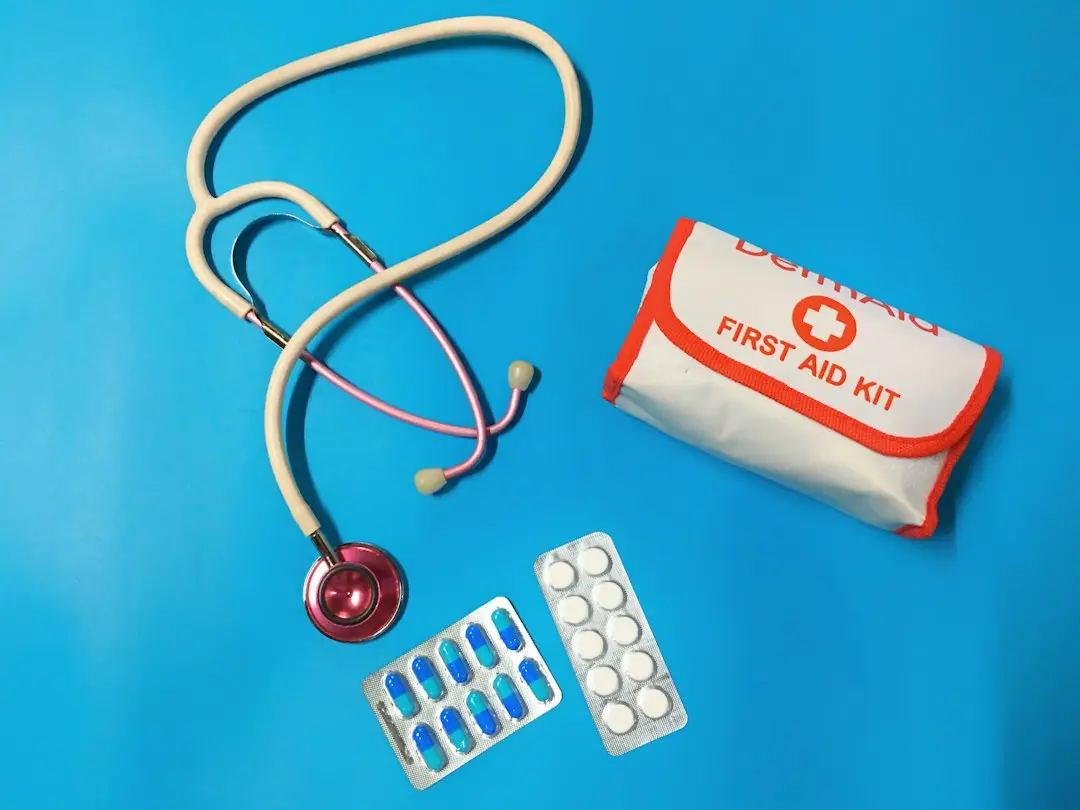
Once you have it, keep it in the same place every time, like a first aid kit, and make sure others in the home know where it is. Keep one in your bag or car, too. Read the package directions now, before an emergency, and practice the steps out loud with your family. Check the expiration date and follow the package’s storage directions.
Talking with someone you love
If someone you love uses opioids, it is normal to feel scared, angry, or tired all at once. Those feelings are human. Leading with care, not blame, keeps the door open.
You: “I picked up naloxone and put it in the kitchen drawer. I’m not judging you. I just love you and want you safe.”
Your brother: “You think I’m going to overdose? That’s insulting.”
You: “No. I keep a fire extinguisher too, and I don’t expect a fire. I just want us ready. And whenever you want to talk about getting help, I’m here.”
Let them know you care and that help is there when they are ready. And take care of yourself too. Caring for someone with substance use can be hard. What would help you start that conversation in your home?
Help is here
Recovery is possible, and help is available. Find treatment options near you at FindTreatment.gov [4], or call or text 988 any time. SAMHSA’s National Helpline is free, confidential, and open 24 hours a day, 365 days a year. Call 1-800-662-HELP (4357) for treatment referrals and information, in English or Spanish [6]. It is for people with substance use or mental health concerns, and for their families.
Let’s talk
Now it’s your turn. We would love to hear from you in the comments below.
Do you keep naloxone at home? What made you decide to get it, or what has held you back?
How have you talked with family about naloxone without it feeling awkward or judgmental? What words worked?
What would make it easier for people in your community to carry naloxone?
One Tru Step: Pick up naloxone this week and show one person where you keep it.
Sources and further reading
- FDA: Access to Naloxone Can Save a Life During an Opioid Overdose
- SAMHSA: Opioid Overdose Prevention and Reversal
- FDA: FDA Approves First Over-the-Counter Naloxone Nasal Spray
- FindTreatment.gov (SAMHSA)
- CDC: Naloxone Frequently Asked Questions
- SAMHSA: National Helpline
Sources checked October 10, 2026. General education; individual care and coverage questions require an appropriate professional.
Related Health Hubs
Join the conversation 💬
This is your space. Share a tip that helped you, ask the question you have been wondering about, or cheer on someone going through the same thing. Your comment shows up right away, and no account is needed.
Our house rules (they keep this a feel-good spot): Be kind. Stay on topic. Keep it free of religion, politics, and anything hurtful. Comments that break these rules are removed.
Protect your privacy: Use a first name or nickname, and skip full names, phone numbers, and personal health details.
If you or someone you know is in crisis, call or text 988. In an emergency, call 911.