

✔ Backed by: National Institute of Diabetes and Digestive and Kidney Diseases (NIDDK) · Centers for Medicare & Medicaid Services (Medicare.gov). Each fact links to its source, and the full list is at the bottom of this post.
November is National Diabetes Month. The National Institute of Diabetes and Digestive and Kidney Diseases (NIDDK) says this year’s focus is on taking action to prevent diabetes health problems.[1] That is a big goal. But it starts with something simple: a yearly checkup plan for the tests that are easy to forget when life is busy.
Think about Maria. She checks her blood sugar, takes her medicines, and sees her primary care clinician a few times a year. She feels fine. But when her daughter asks, “When was your last eye exam?” Maria can’t remember. Was it two years ago? Three? That is very common. And it is exactly why a yearly checkup plan helps.
This post walks through the checkups that many people with diabetes need each year. It also covers why they matter even when you feel well, and how Medicare may help with some of the cost. It is general education, not medical advice. Your care team will tell you what schedule fits you.
Why a yearly checkup plan matters when you feel fine
Diabetes means your blood glucose, or blood sugar, is too high. Over time, that can affect your eyes, kidneys, nerves, feet, heart, and even your teeth and gums. The tricky part is that early damage often happens quietly. NIDDK says there are often no early symptoms of diabetic eye disease.[3] It also says most people with diabetic kidney disease do not have symptoms, so testing is the only reliable way to find it.[4]
That is good news in disguise. Because tests can find problems early, you and your care team have a chance to act before small changes turn into big ones. NIDDK says managing your blood glucose, blood pressure, and cholesterol, and not smoking, are key parts of preventing problems like heart disease and stroke.[2]
Checkup 1: A dilated eye exam
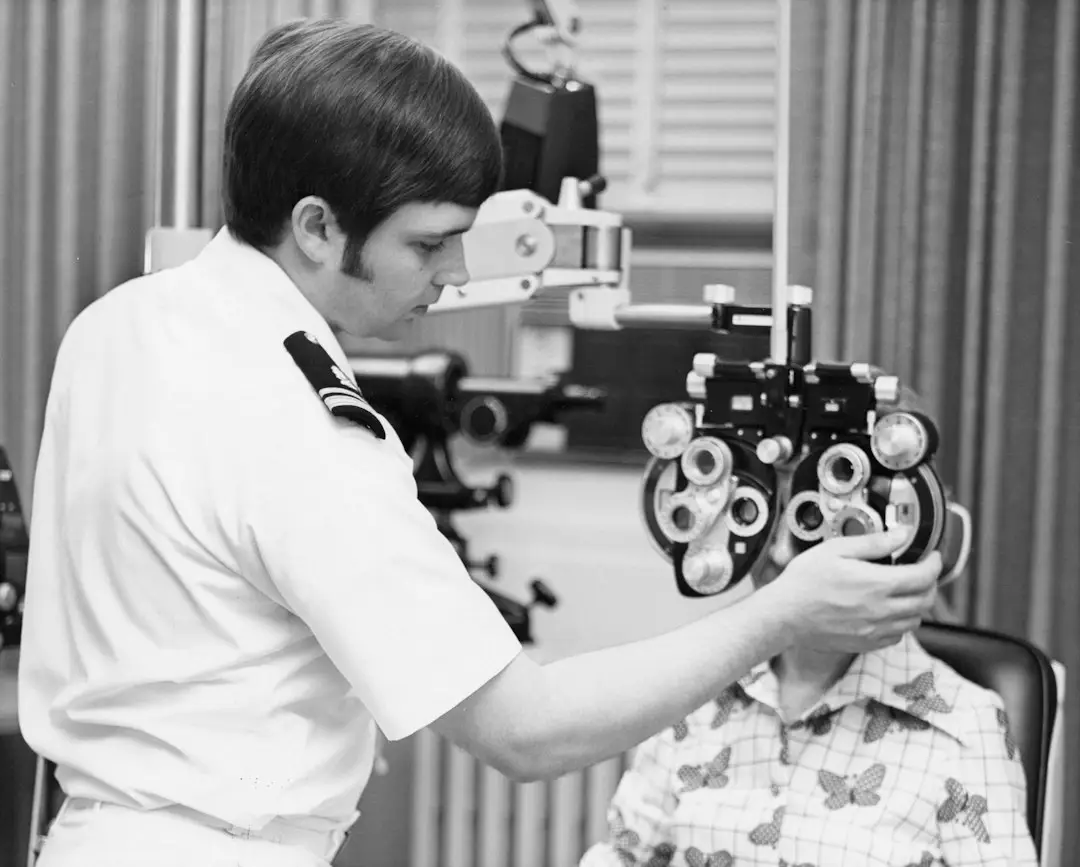
NIDDK says most people with diabetes should see an eye care professional about once a year for a complete eye exam. Your care team may suggest a different schedule based on your type of diabetes and how long you have had it. Some people need exams more often.[3] In a dilated exam, drops widen your pupils so the eye doctor can see the back of your eye clearly.
Plan ahead: when you book, ask the office how the drops may affect your vision afterward and whether you should bring someone to drive you home.
Between exams, talk with your eye doctor about vision changes. These include blurry or wavy vision, vision that changes from day to day, or new spots or floaters. Flashes of light, dark areas, or poor color vision count, too. NIDDK says a sudden shadow that looks like a curtain over your vision needs prompt medical attention. It can be a sign of a detached retina, which is an emergency.[3] If that happens, get medical care right away, and call 911 if you need emergency help.
If you have Medicare, Part B covers an eye exam for diabetic retinopathy once a year if you have diabetes. It must be done by an eye doctor who is legally allowed to do the test in your state. After the Part B deductible, you generally pay 20% of the Medicare-approved amount, and a copayment may apply in a hospital outpatient setting.[6]
You can say: “I have diabetes. I’d like to schedule my yearly dilated eye exam. Can you tell me if this visit is billed as a diabetic eye exam?”
Checkup 2: Kidney tests
Your kidneys filter waste from your blood. NIDDK explains that kidney checks for diabetes usually include a urine test for a protein called albumin. They also include a blood test that shows how well your kidneys are filtering your blood. Yearly testing is recommended for people with type 2 diabetes, and for people with type 1 diabetes who have had it for more than 5 years.[4]
These tests are often done with your regular lab work. That makes them easy to miss on a busy visit. You can say: “Did my last lab work include my kidney tests? Can you walk me through what the numbers mean?” If the answer is no, ask when they should be done.
Checkup 3: Your feet, every day and every year
Diabetes can affect the nerves and blood flow in your feet. So a small blister may not hurt the way you would expect. NIDDK suggests checking your feet each evening when you take off your shoes, including the spaces between your toes. A mirror helps, or you can ask someone to look for you.[5]
NIDDK also suggests asking your care team to look at your feet at every visit. It also recommends a thorough foot exam at least once a year that checks the feeling and pulses in your feet.[5] Here is a simple trick: take off your shoes and socks as soon as you get into the exam room. It is a friendly reminder that is hard to skip.
NIDDK says to call your provider right away if a cut, blister, or bruise has not started to heal after a few days. Also call if skin on your foot becomes red, warm, or painful, or if a callus has dried blood in it.[5]
Checkup 4: Your smile
Gum health and diabetes are connected too. NIDDK recommends seeing your dentist at least once a year.[2] When you book, tell the dental office you have diabetes so they can plan your care with that in mind.
Learning support Medicare may cover
Checkups catch problems. Learning helps you prevent them. Medicare covers diabetes self-management training when your doctor or other provider orders it. In the first year, that can be up to 10 hours, including 1 hour of one-on-one training and 9 hours in a group. After that, Medicare covers up to 2 hours of follow-up training each year. After the Part B deductible, you generally pay 20% of the Medicare-approved amount.[7]
Medicare also covers medical nutrition therapy for people with diabetes or kidney disease when a doctor refers them. The first year includes 3 hours, with up to 2 hours of follow-up each year after that if your doctor refers you. If you qualify, Medicare says you pay nothing for these services.[8] This is time with a nutrition professional to build an eating plan that fits your foods, culture, schedule, and budget.
Do you have a Medicare Advantage Plan, Medicaid, a job-based plan, or Marketplace coverage? Call the number on your card and ask how these services are covered. You can say: “Does my plan cover diabetes education classes and visits with a dietitian? Do I need a referral?”
Put your yearly checkup plan on one page
Here is a simple yearly checklist you can copy into a notebook or your phone:
- Dilated eye exam: date done and next date
- Kidney tests (urine albumin and blood test): date done
- Thorough foot exam: date done
- Dental visit: date done
- Diabetes education or nutrition visits: what is available to you
Bring that list to your next visit and ask, “Which of these am I due for?” Your clinician can help fill in the gaps and tell you if you need anything more often.
Tru-Tips: Tie your yearly checkups to something you never forget, like your birthday month. When the cake comes out, so does the eye exam reminder.
One Tru Step: Today, look up the date of your last dilated eye exam. If it was more than a year ago, or you can’t find it, call and ask about scheduling one.
Let’s talk
What helps you remember your yearly diabetes checkups? If you are a caregiver, how do you keep track for someone you love? Share your best tip in the comments.
Sources and further reading
- NIDDK: National Diabetes Month
- NIDDK: Preventing Diabetes Problems
- NIDDK: Diabetic Eye Disease
- NIDDK: Diabetic Kidney Disease
- NIDDK: Diabetes and Foot Problems
- Medicare.gov: Eye exams (for diabetes)
- Medicare.gov: Diabetes self-management training
- Medicare.gov: Medical nutrition therapy services
Sources checked October 17, 2026. General education; individual care and coverage questions require an appropriate professional.
Related Health Hubs
Join the conversation 💬
This is your space. Share a tip that helped you, ask the question you have been wondering about, or cheer on someone going through the same thing. Your comment shows up right away, and no account is needed.
Our house rules (they keep this a feel-good spot): Be kind. Stay on topic. Keep it free of religion, politics, and anything hurtful. Comments that break these rules are removed.
Protect your privacy: Use a first name or nickname, and skip full names, phone numbers, and personal health details.
If you or someone you know is in crisis, call or text 988. In an emergency, call 911.